

Planning an international trip is exciting. Whether you are traveling soon from the United States to Europe, exploring Southeast Asia, enjoying a Caribbean vacation, or traveling for business abroad, there is always a long checklist before departure. Flights, accommodations, passports, transportation, and travel itineraries usually get most of the attention.
However, many travelers overlook one important detail until it is too late: access to reliable medical help while abroad.
If you become unwell during your trip, experience food poisoning, develop a fever, suffer a minor injury, or simply need medical guidance in another country, finding the right support can quickly become stressful. Language barriers, unfamiliar healthcare systems, and uncertainty about where to go can make a simple medical situation feel overwhelming.
That is why more travelers are now turning to travel medical assistance services before leaving home. If you want a complete overview of how these services work, you can also read our Travel Medical Assistance Guide before your trip.
Unlike traditional insurance-related products, a digital travel medical assistance plan focuses on helping travelers access real medical support, emergency coordination, and licensed doctors when they need assistance abroad. It works alongside your travel insurance and adds an extra layer of support during international travel.
Why International Travelers Are Planning More Carefully Than Ever
International travel has changed significantly over the last few years. Travelers today are more informed, more independent, and often more cautious than before. People are no longer focused only on booking cheap flights or finding popular attractions. They are also thinking more seriously about preparation, safety, flexibility, and access to support while abroad.
This is especially true for travelers leaving the United States. Many Americans travel thousands of miles away from home each year, often visiting countries with unfamiliar healthcare systems, different languages, and different expectations regarding medical assistance. Travelers who want to better understand how international medical assistance works before departure can also learn more through this detailed guide for U.S. travelers going abroad
As a result, travelers increasingly search online for terms like:
- travel medical assistance
- emergency medical assistance abroad
- doctor help while traveling
- medical support during international travel
- healthcare assistance for travelers
- traveling soon checklist
- international travel preparation
The growing interest in these searches reflects a larger shift in traveler behavior. Modern travelers want to feel prepared before problems happen, not after.
Travel Today Is More Independent Than Ever

One important reason why travel medical assistance has become more relevant is the way people travel today.
Years ago, travelers often relied heavily on guided tours, travel agencies, hotel concierges, or organized vacation packages. Today, international travel looks very different.
Modern travelers often:
- book everything independently
- stay in Airbnbs instead of hotels
- travel across multiple countries in one trip
- work remotely while abroad
- explore destinations outside tourist centers
- travel for extended periods of time
While this freedom creates incredible experiences, it also means travelers are more responsible for managing unexpected situations on their own.
When travelers feel unwell in another country, they may not have immediate access to local guidance or support. Finding the right clinic, understanding local healthcare options, or knowing where to go during an emergency can quickly become stressful.
This is one reason why digital travel medical assistance services continue growing in popularity worldwide.
Why Travelers from the U.S. Often Feel Uncertain Abroad
American travelers are very familiar with the healthcare system in the United States, even if it is not always simple. However, once travelers arrive overseas, everything changes.
Healthcare systems abroad can vary dramatically depending on the destination.
In some countries:
- pharmacies may handle situations differently
- hospitals may require different procedures
- urgent care systems may not exist in the same format
- language barriers may complicate communication
- transportation to medical facilities may be unfamiliar
Even experienced international travelers sometimes feel uncertain during medical situations abroad.
Questions like these become common:
- Should I visit a clinic or a hospital?
- Is this situation urgent?
- How do I communicate my symptoms?
- Where can I find an English-speaking doctor?
- What should I do next?
Travel medical assistance helps simplify these moments by providing access to guidance, coordination support, and medical assistance when travelers need help navigating unfamiliar situations.
The Emotional Side of Traveling Abroad
Most travel articles focus on logistics. But travel also has a strong emotional side.
Many travelers experience:
- anxiety before long international trips
- stress during layovers
- uncertainty in unfamiliar environments
- concern about getting sick abroad
- fear of not knowing what to do during emergencies
These concerns are completely normal.
For solo travelers especially, the idea of handling a medical issue in another country alone can feel intimidating. Families traveling with children may also worry about sudden illnesses, fevers, allergies, or minor injuries during vacation.
Even business travelers often feel pressure because medical situations can disrupt important schedules, meetings, or events abroad.
Having access to emergency medical assistance can help reduce some of this uncertainty and allow travelers to focus more fully on the experience itself.
Why “Traveling Soon” Searches Have Increased
Search behavior reveals a lot about how people think before they travel.
The phrase “traveling soon” has become increasingly common because travelers actively search for last-minute preparation advice before departure.
People search for:
- traveling soon essentials
- traveling soon international checklist
- traveling soon health preparation
- what to do before traveling internationally
- medical help while abroad
These searches often happen within days or weeks before departure, when travelers begin realizing how many details are involved in international travel preparation.
At that stage, many people start thinking beyond flights and accommodations and begin considering practical support systems for their trip, including tools that help them stay better prepared before departure, such as travel reminders and pre-trip preparation resources.
Why Preparation Matters More Than Travelers Realize
Many travelers assume they will simply “figure things out” if a medical issue happens abroad.
But medical situations often become stressful precisely because travelers are unprepared.
Simple preparation before departure can make a major difference.
Experienced travelers often prepare:
- emergency contact information
- medication lists
- copies of passports
- local embassy details
- transportation information
- digital medical assistance access
This type of preparation helps travelers respond more calmly and efficiently if something unexpected happens during their trip.
The goal is not to expect problems. The goal is simply to feel more prepared if they happen.
Technology Is Changing How Travelers Access Medical Support
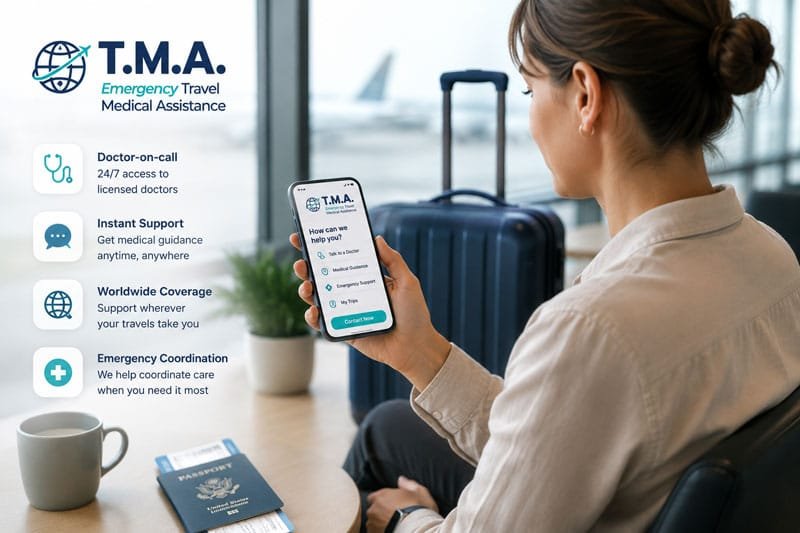
Travel habits are evolving rapidly, and technology is changing traveler expectations across every industry.
Today, travelers expect:
- mobile access
- instant communication
- digital convenience
- fast responses
- on-demand services
This shift also affects how travelers access medical assistance abroad.
Instead of relying entirely on hotel recommendations or random online searches, travelers increasingly prefer services that offer:
- doctor-on-call assistance
- immediate medical guidance
- emergency coordination support
- access to licensed doctors
- digital communication during medical situations
This modern approach fits naturally into how people travel today. Travelers who want to better understand the process behind digital travel medical assistance and emergency coordination can also explore how the TMA assistance process works before and during a trip.
The Rise of Digital Nomads and Long-Term Travelers
Another major travel trend is the rise of remote work and long-term international travel.
Many Americans now spend weeks or months abroad while working remotely from:
- Europe
- Latin America
- Southeast Asia
- the Caribbean
- major international cities
Longer trips naturally increase the likelihood that travelers may eventually need some form of medical guidance or support during their stay.
For digital nomads and long-term travelers, access to travel medical assistance becomes less of a luxury and more of a practical travel tool.
Medical Assistance Is About Support, Not Fear
One common misconception is that travelers only seek medical assistance because they expect emergencies.
In reality, most travelers simply want reassurance that support is available if needed.
Travel medical assistance is ultimately about:
- reducing uncertainty
- simplifying stressful situations
- helping travelers make informed decisions
- improving confidence during international travel
Most trips go smoothly. Most travelers never experience serious medical situations abroad.
But having access to emergency medical assistance can still provide valuable peace of mind throughout the trip.
Why Families Are Prioritizing Travel Medical Assistance
Families traveling internationally often prepare more carefully than solo travelers because they are responsible for multiple people during the trip.
Parents commonly worry about:
- children getting sick during flights
- fever during vacation
- food allergies abroad
- stomach illnesses
- access to pediatric guidance
- finding medical help quickly
When children feel unwell during international travel, stress levels rise quickly for parents.
Having access to medical coordination support and licensed doctors can help families feel more comfortable navigating these situations abroad.
International Travel Requires a Different Mindset
Domestic travel and international travel are very different experiences.
At home, people already know:
- how local healthcare works
- where nearby clinics are located
- which pharmacies to visit
- how transportation systems operate
- how to communicate during emergencies
Abroad, even simple situations can feel unfamiliar.
That is why international travelers increasingly focus on preparation, flexibility, and access to support before departure.
Travel with More Confidence
No one plans to get sick while traveling.
But experienced travelers understand that preparation is part of smart international travel planning.
A digital travel medical assistance plan helps travelers access medical guidance, emergency coordination support, and licensed doctors while abroad. Most importantly, it works alongside your travel insurance rather than replacing it.
Whether you are traveling from the United States for a short vacation, a business trip, a remote work experience, or an extended international journey, having access to travel medical assistance can help you feel more prepared before departure.
If you are traveling soon, now is the perfect time to think not only about where you are going, but also about how you will stay supported while you are there.