

Traveling abroad can be an exciting and rewarding experience, but traveling abroad with disabilities often requires additional preparation, planning, and reassurance before departure — especially for travelers managing mobility limitations, ongoing medical conditions, or specialized healthcare needs.
From organizing medications and accessibility needs to understanding how healthcare systems work abroad, many travelers and families share the same concern before every international trip:
“What happens if medical support is needed while traveling?”
This is one of the reasons why more travelers are now looking beyond traditional travel insurance and exploring additional travel medical assistance services that provide real-time support during the journey itself. If you are planning an international trip and want to better understand how medical support abroad works, our pillar guide — Travel Medical Assistance: Complete Guide to Medical Support Abroad — explains the most important things travelers should know before departure.
Whether you are traveling with mobility limitations, chronic medical conditions, dialysis treatment requirements, or other ongoing healthcare needs, preparation and access to support can make international travel feel far more manageable and less stressful.
Why International Travel Can Feel More Complicated For Travelers With Disabilities
Many travelers with disabilities already understand that international travel often involves additional planning compared to standard vacations.
Simple travel situations that other travelers may overlook can quickly become more complex, including:
- Managing medications during long trips
- Organizing mobility assistance at airports
- Ensuring accommodations are accessible
- Preparing medical documentation
- Understanding healthcare access abroad
- Communicating medical needs in another country
- Finding urgent support during unexpected situations
For many families, the concern is not necessarily the flight or the destination itself. The biggest source of anxiety is uncertainty.
When travelers are far from home, unfamiliar healthcare systems, language barriers, and emergency situations can create additional stress — especially for travelers who may already require ongoing medical attention or specialized care.
This is why preparation is often the most important part of the journey.
Planning Ahead Makes International Travel Easier

Traveling abroad with disabilities does not mean travel should become impossible or overly restrictive. In fact, many travelers continue to enjoy cruises, family vacations, business travel, and long-distance trips every year with the right level of preparation.
The key is understanding what support may be needed before an issue occurs.
Organize Medical Documentation Before Departure
Before traveling internationally, travelers should ensure they have:
- Updated medical documentation
- Medication lists
- Emergency contact information
- Insurance information
- Copies of prescriptions
- Doctor recommendations if required
Keeping both printed and digital copies can help reduce stress during unexpected situations abroad.
Research Accessibility At Your Destination
Accessibility standards vary significantly between countries, airports, hotels, and transportation systems.
Before departure, it is important to confirm:
- Hotel accessibility features
- Elevator access
- Wheelchair-friendly transportation
- Airport mobility services
- Cruise accessibility options
- Nearby medical facilities
Planning these details early can prevent unnecessary stress later during the trip.
Prepare Medications Carefully
Travelers managing ongoing medical conditions should always prepare medications carefully before international travel.
This may include:
- Bringing extra medication supply
- Keeping medications in carry-on luggage
- Understanding local medication restrictions
- Carrying prescription documentation
- Preparing for time zone changes
Medication interruptions while abroad can quickly become stressful, especially in unfamiliar environments.
The Biggest Concern For Many Travelers Is Access To Medical Support Abroad
Traditional travel insurance can provide valuable financial protection during international trips. However, many travelers discover that reimbursement alone may not fully address the challenges they face during a stressful medical situation abroad.
In many cases, travelers and families still worry about:
- Finding medical help quickly
- Understanding where to go during emergencies
- Communicating with healthcare providers abroad
- Coordinating additional care
- Accessing guidance during stressful moments
- Receiving support in real time rather than after the incident
This is where travel medical assistance services can provide an additional layer of reassurance during international travel.
Why Real-Time Medical Assistance Matters During International Travel
For travelers with disabilities or ongoing medical conditions, fast access to guidance can make a major difference during unexpected situations abroad.
Instead of trying to navigate unfamiliar healthcare systems alone, travelers may benefit from access to services such as:
- 24/7 telemedicine support
- Medical coordination assistance
- Guidance during emergencies
- Doctor coordination to accommodations where available
- International medical support networks
- Assistance communicating with healthcare providers abroad
These services are designed to complement travel insurance rather than replace it.
For travelers who want to better understand how these TMA’s services work in practice, the how it works page explains how travelers can access medical support and coordination while abroad.
Travel Should Still Feel Enjoyable — Not Overwhelming
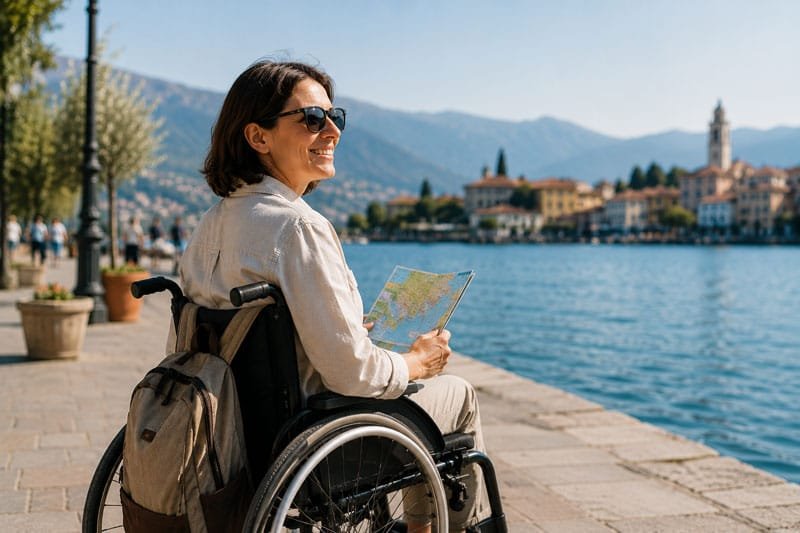
One of the biggest misconceptions about traveling with disabilities is that international travel automatically becomes too difficult or unsafe.
In reality, many travelers continue to travel confidently every year because they focus on preparation, support, and realistic planning.
The goal is not to eliminate every possible risk. No trip can ever be completely predictable.
The goal is to reduce uncertainty and improve access to support if something unexpected happens.
This mindset often helps travelers feel more independent and more confident while abroad.
Common Challenges Travelers Face Abroad
Even experienced travelers may encounter unexpected situations during international trips.
Language Barriers During Medical Situations
Communicating medical information in another language can become extremely stressful during emergencies.
Explaining symptoms, medications, allergies, or ongoing conditions may feel overwhelming without proper support.
This is one reason why many travelers value access to medical assistance services that can help coordinate communication during difficult situations.
Difficulty Navigating Unfamiliar Healthcare Systems
Healthcare systems vary significantly between countries.
Travelers may not know:
- Which clinic to visit
- How emergency care works locally
- Whether appointments are required
- Which facilities support international travelers
- How medical payments are handled abroad
Having access to international medical coordination support can help travelers feel less alone during these situations.
Stress For Family Members
Family members often experience just as much stress as the traveler themselves.
When a loved one requires medical assistance abroad, families may struggle with:
- Lack of information
- Communication difficulties
- Coordination concerns
- Uncertainty about next steps
Additional travel support services can help families feel more reassured throughout the trip.
Travel Medical Assistance Services Can Provide Additional Reassurance
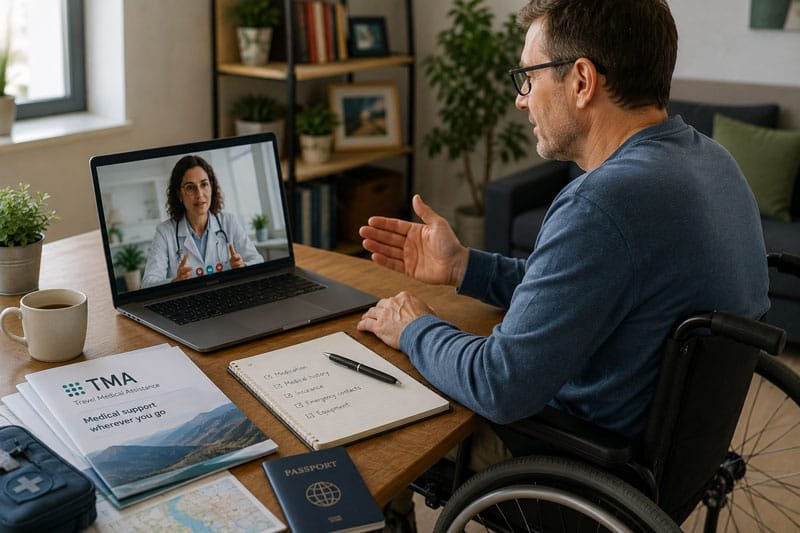
Many travelers are now choosing to combine traditional travel insurance with additional travel medical assistance services that focus on real-time support during the journey.
Services may include:
- Telemedicine access during travel
- Medical coordination support
- Assistance locating healthcare providers
- Doctor coordination where available
- Support across multiple countries and destinations
If you would like to explore the available T.M.A. plans, visit the Travel Plans page to see the support options available before your trip.
International Support Networks Can Reduce Travel Stress
One of the most valuable aspects of travel medical assistance services is access to international support networks across multiple countries and destinations.
This can help travelers feel more confident knowing support may be available if assistance becomes necessary during the trip.
For example, some services provide:
- Global medical support coordination
- Access to assistance in numerous destinations
- Telemedicine availability during travel
- Guidance during urgent situations abroad
If you would like to check whether T.M.A. support is available in the country you plan to visit, explore the Global Support page for covered destinations and international assistance availability.
The Importance Of Feeling Supported While Traveling
For many travelers with disabilities, the emotional aspect of travel is just as important as the logistical preparation.
Travel should still feel:
- enjoyable
- meaningful
- independent
- accessible
- confidence-building
Many travelers simply want reassurance that support may be available if something unexpected happens.
This is especially important for:
- older travelers
- families traveling together
- travelers managing ongoing conditions
- individuals requiring additional medical reassurance abroad
The right preparation and support can make international travel feel significantly less stressful.
Why More Travelers Are Looking Beyond Traditional Travel Insurance
Traditional travel insurance remains an important part of international travel preparation.
However, travelers increasingly recognize that reimbursement after an incident is only one part of the overall experience.
Many travelers now also value:
- real-time medical guidance
- immediate access to support
- telemedicine during travel
- medical coordination assistance
- international healthcare support
This combination of insurance protection and real-time assistance can help travelers feel more prepared before departure.
To better understand the advantages travelers may receive from additional medical support services abroad, visit the Your Benefits page.
Traveling Abroad With Disabilities Is Still Possible With The Right Preparation
Traveling with disabilities or ongoing medical conditions may require additional planning, but it should not prevent meaningful international travel experiences.
Many travelers continue exploring the world every year by focusing on:
- preparation
- realistic planning
- accessibility research
- medical readiness
- access to support during travel
The goal is not perfection.
The goal is confidence, preparation, and reassurance while abroad.
With proper planning and access to the right support systems, international travel can continue to feel safe, enjoyable, and achievable for travelers with disabilities and their families.